Cat Not Eating: Causes, Tips, and When to See the Vet

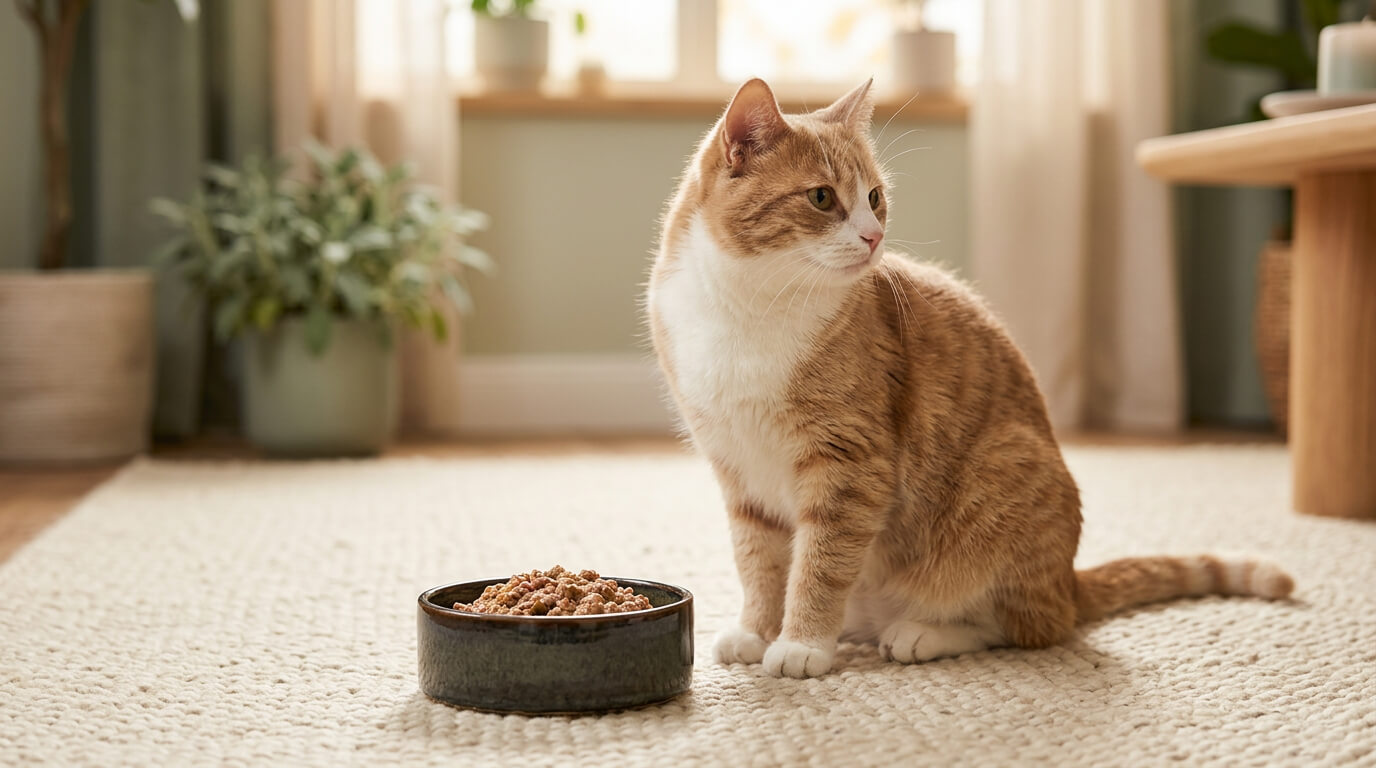
You put the bowl down. Your cat comes over, sniffs it and walks away. Is this a preference, or a change that needs attention?
Taste, texture and the feeding environment can influence a cat’s choices. However, a reduced appetite should not simply be dismissed as fussiness.
First: contact your vet when appetite changes
If your cat stops eating, contact your vet promptly. Do not wait for a fixed number of days or try to make your cat hungry enough to accept a new food.
Seek urgent advice if your cat also seems weak, is vomiting, appears in pain or is otherwise unwell. Kittens and cats with existing conditions need particular care. This article provides general information, not a diagnosis or a substitute for veterinary advice.
Preference or reduced appetite?
A cat may accept a treat while refusing a normal meal. That observation does not rule out pain or illness. Keep track of how much your cat actually eats and discuss a new or persistent change with your vet.
Why familiar food can matter
Cats can have individual preferences for smell, texture and the shape of food pieces. An unfamiliar recipe may take time to introduce, but reluctance to try it should not lead to prolonged poor intake.
Everyday factors worth checking
Once health concerns have been addressed, consider these practical details:
- Treats: record snacks as well as meals so you can see the overall intake.
- Storage: check the pack instructions, opening date and condition of the food.
- Temperature: try serving a small portion at room temperature rather than straight from the refrigerator.
- Changes at home: note any new animals, routines or other potential sources of stress.
- Bowl location: avoid busy walkways, loud appliances and the litter tray.
- Taste and texture: preferences differ; no recipe is guaranteed to appeal to every cat.
Small changes to the feeding setup
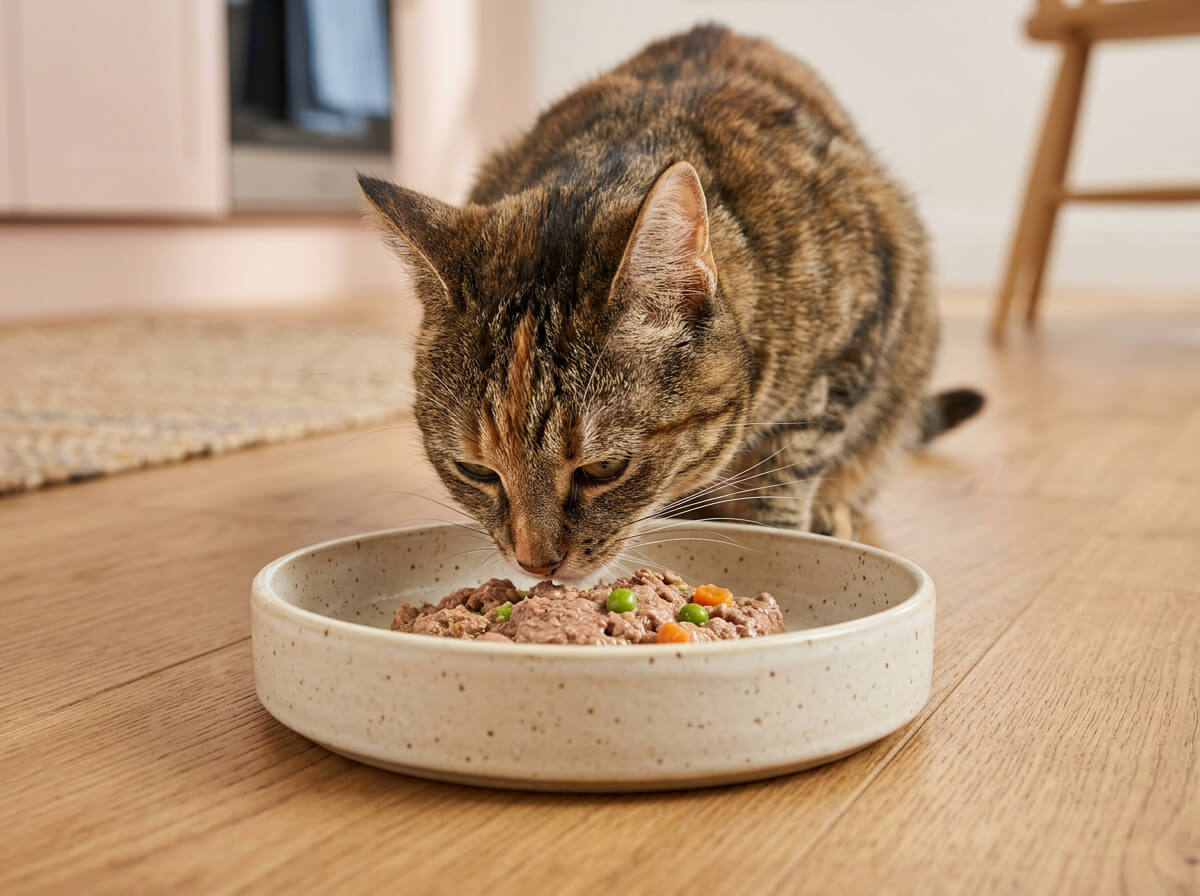
Offer a clean bowl in a quiet place, away from the litter tray and with water available separately. Make one change at a time so you can tell whether it helps.
8 practical feeding checks
- Offer small, regular meals suited to your cat’s routine. Do not use food deprivation to force acceptance.
- Keep a record of treats and include them when assessing total intake.
- Try a room-temperature portion, checking that it is never hot.
- Refrigerate opened food and use it within the period stated on the pack.
- Consider a different texture only as part of a planned change, not an endless series of replacements.
- Use a clean bowl and a calm feeding location.
- Introduce a new food gradually while making sure your cat continues to eat enough.
- Choose a complete food for your cat’s life stage and follow any dietary advice from your vet.
Changing cat food gradually

Start with a small amount of the new food alongside the familiar diet and increase it gradually if your cat accepts it. Follow the product guidance and your vet’s advice. If intake drops, seek advice rather than continuing the switch regardless.
How taste and texture influence acceptance
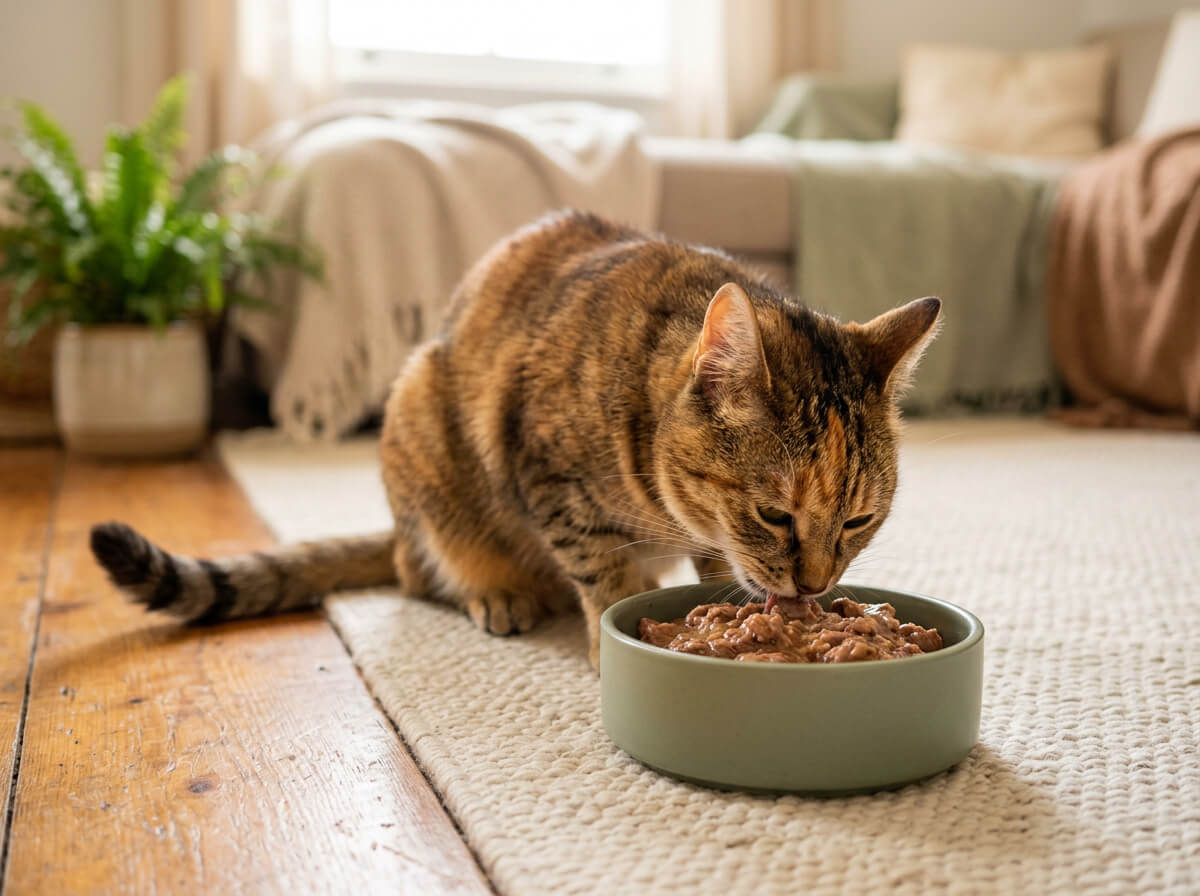
Some cats prefer a smooth texture; others prefer pieces. A food’s meat percentage alone cannot predict whether your cat will eat it. Trying a recipe is a way to explore preferences, not to treat a loss of appetite.
Exploring Canefelis recipes
If your cat is eating adequately and you are planning a change, a trial pack can help you compare recipes without starting with a large pack.
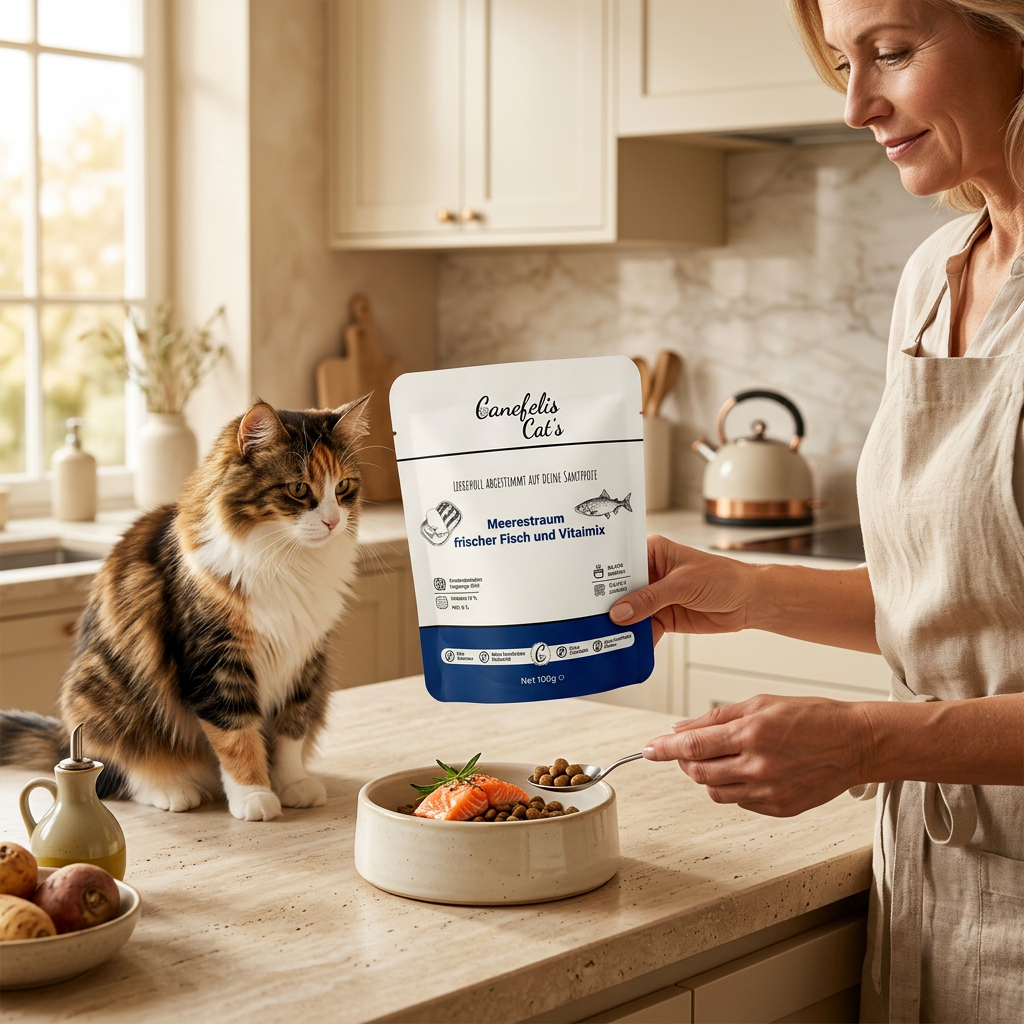
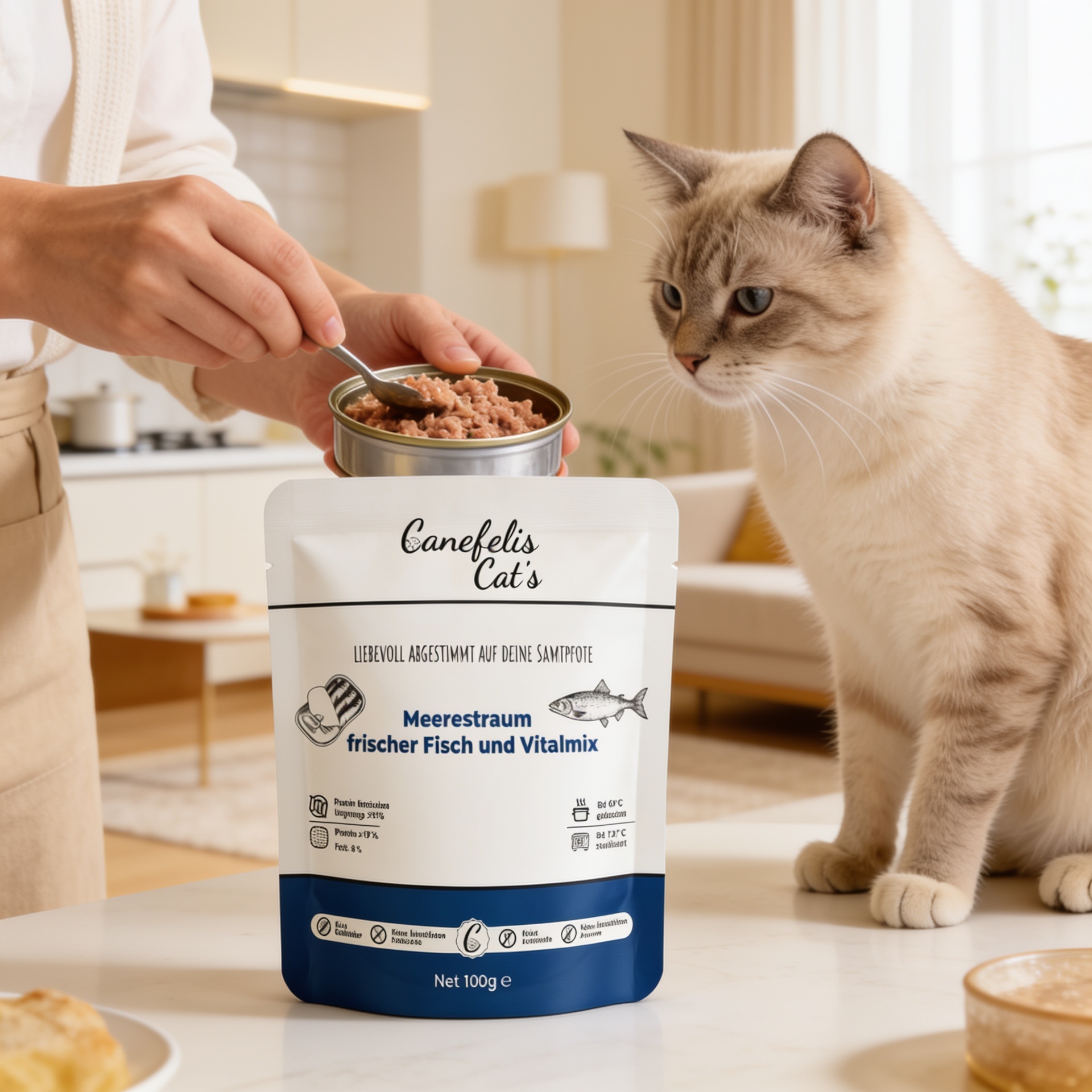
Canefelis offers gently baked soft food for cats with a soft, moist texture. Read the current composition for each recipe and introduce a new food gradually. Acceptance is individual, not guaranteed.
Frequently asked questions
How long should I wait if my cat stops eating?
Contact your vet promptly rather than waiting 24 to 48 hours. Ask for urgent guidance if your cat is unwell or particularly vulnerable.
My cat eats only treats. What should I do?
Treats do not show that everything is fine and are not a replacement for a complete diet. Note the amounts eaten and talk to your vet if normal meals are being refused.
Why will my cat not eat wet food?
Storage, temperature, texture and health can all be relevant. Check the basics, but have a new loss of appetite assessed instead of assuming it is just a preference.
Where should the food bowl go?
Choose a quiet, consistent place away from the litter tray. Keep bowls clean and provide access to fresh water.

Further reading: PDSA: when a cat stops eating and Cats Protection: feeding your cat.
Our bestsellers


€ 16,21 € 14,58 / kg
incl. 13% VAT
plus shipping costs
Contents: 1,2 kg


€ 16,21 € 14,58 / kg
incl. 13% VAT
plus shipping costs
Contents: 1,2 kg