Wet Food for Dogs and Cats: How Does It Keep for 18 Months Unopened Without a Fridge?

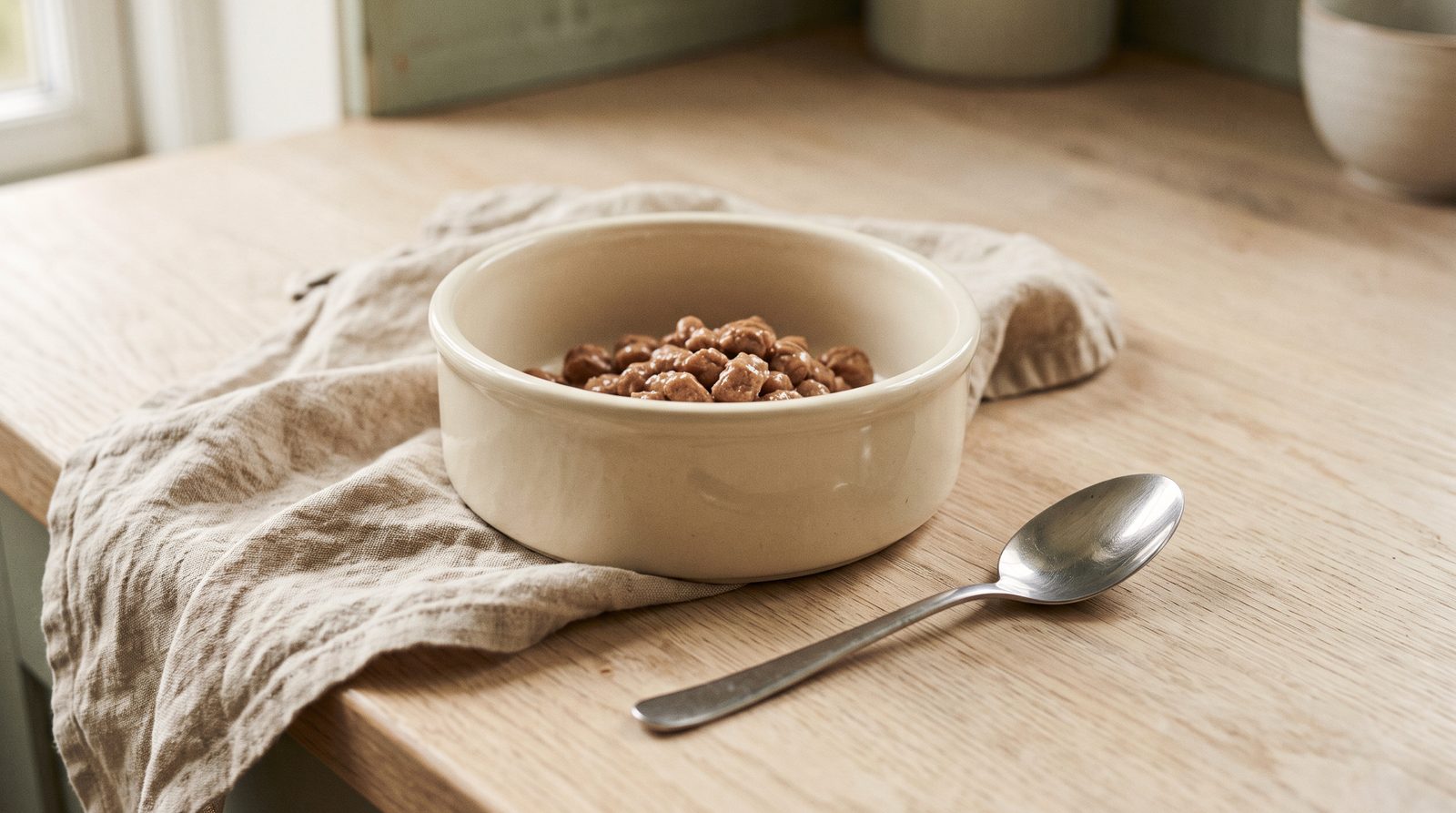
Have you ever turned a pouch of pet food over, read the best-before date and paused for a second? A year and a half? Without a fridge? For food that is soft, moist and largely made of meat?
Published: 19 October 2026
By the Canefelis editorial team · Updated: October 2026
Most people have the same first thought: something in there must be making that possible. A chicken breast from the supermarket lasts a few days in the fridge. So how can dog or cat food last 18 months unopened at room temperature?
It is a fair question. This is about what goes into your pet's bowl every day, and such a long shelf life can seem surprising at first.
Our own pouches state exactly this shelf life. So we explored the same question, drawing on consumer guidance, information from the US Food and Drug Administration (FDA) and veterinary clinics, and the history of the tin can.
The answer is older than you might think. It starts with a French cook in Napoleon's time and leads to a tin that was opened after 38 years. At its core it comes down to three things: a tight seal, heat, and packaging that lets nothing through.
In this article you will learn why sealed wet food keeps for so long and why dry food and raw feeding follow different rules. Then it gets practical: what a best-before date means, how long opened wet food keeps in the fridge and how to tell when food should no longer be fed to your pet.
The key points in 30 seconds
- Wet food is heat-treated under pressure after the packaging has been sealed. Microbes inside are killed, and nothing new can get in from outside.
- Packaging matters: a multi-layer pouch with an aluminium layer keeps oxygen, light and moisture out.
- Dry food keeps for a different reason: it contains little water. Its fats are usually protected from going rancid with antioxidants.
- Once opened, the best-before date no longer applies. Refrigerate leftovers in a covered container and follow the manufacturer’s storage and use instructions.
- Do not feed food from a swollen, leaking or damaged pouch.
How can wet food keep for 18 months unopened without a fridge?
For food to spoil, you need microorganisms: bacteria, yeasts, moulds. They come from the air, from hands and from surfaces. Moist, protein-rich food at a suitable temperature gives them ideal conditions to grow.
So a piece of meat in the fridge does not spoil because it gets “old”. It spoils because microbes are working on it. The fridge only slows them down. It does not stop them.
With sealed wet food in a can, tray or pouch, the order is reversed. The food is packed first, and the packaging is sealed airtight. Then the closed pack is treated under heat and pressure.
A German trade magazine for food retail puts it briefly: wet food is sterilised under high heat and pressure, which makes it free of germs. A guide from a large pet food manufacturer likewise explains that wet food in cans or pouches is sterilised by heating after sealing, which preserves it.
The order is the key. Because the pack is already closed, nothing new can get in after treatment. What was inside has been inactivated, and there is no new supply from outside. As long as the seal holds, microbes simply have no way to settle in again.
That is why this kind of food needs no cold chain before opening and can be stored unopened without refrigeration. It is essentially the same principle as a tin of beans or a jar of home-made jam in the pantry, just more precisely controlled.
The best-before date on the pouch tells you how long the manufacturer guarantees the quality of the unopened food, provided it is stored correctly.
A principle over 200 years old: from Appert to the retort pouch
The idea behind your food pouch dates back to Napoleon's time. The French cook and confectioner Nicolas Appert discovered that food keeps for a long time if it is sealed airtight and heated. According to Planet Wissen, he received a prize of 12,000 gold francs for it in 1810.
Appert first worked with glass bottles, and tin cans soon followed. How well the principle works was shown at the 1851 World's Fair in London: a 38-year-old Appert can was opened there, and according to Planet Wissen the contents were still edible.
The flexible pouch you know from the pet food aisle is much younger. A Japanese curry launched by Otsuka in 1968 is considered the first commercial product sold in a retort pouch.
The modern pouch was largely developed by the US Army research centre in Natick together with packaging manufacturers and received an industry award in 1978.
The name “retort” comes from the pressure vessel in which the sealed packs are heated. So a retort pouch is nothing mysterious. It is the flexible, lightweight version of the classic tin can.
How multi-layer packaging protects the food
A plastic bag from the supermarket's produce section would not be up to the job. Oxygen slowly passes through many plastics, and so does light. Both are hard on fats and aromas. That is why a retort pouch is made of several firmly bonded layers, each with its own task.
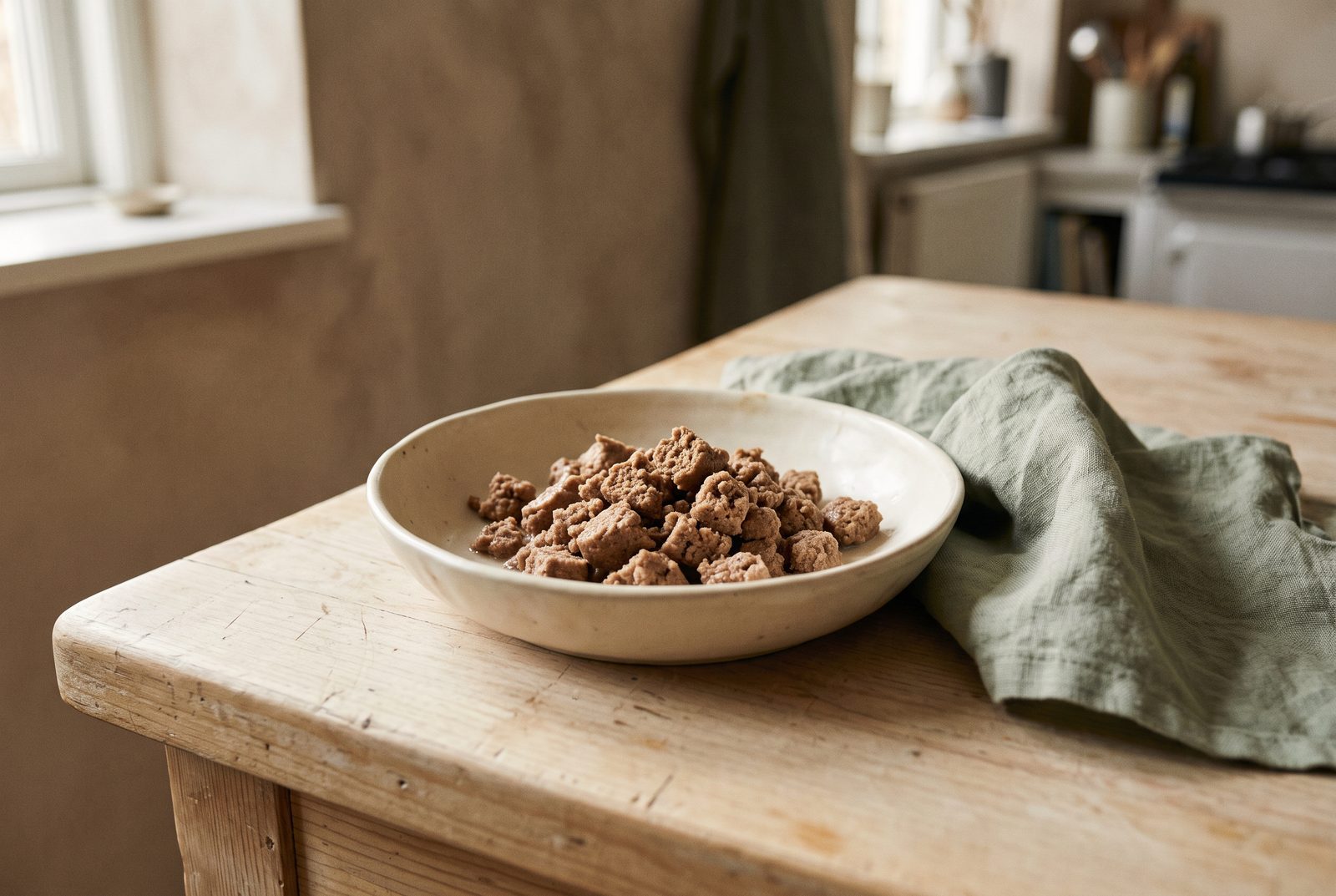
- Polyester (PET) outside: gives strength and often carries the print.
- Polyamide (nylon): makes the pouch resistant to punctures and creasing.
- Aluminium: a very thin layer that acts as a barrier against gases and light.
- Polypropylene (CPP) inside: the sealing layer that is welded shut when closing.
That is how a typical retort pouch is built. Oregon State University adds an important point: commercial production runs with precisely controlled times and conditions that are documented for each batch. This cannot be reliably reproduced at home.
The practical point is that intact packaging is essential to the food's shelf life. If it gets damaged, the protection is gone. How to spot that is covered further down.
Dry food for dogs and cats: why little water also means a long shelf life
Dry food is not treated inside a sealed pouch. It is mixed, shaped under pressure and steam, and then dried. According to the Pet Food Institute, dry food typically contains 10 to 12 per cent moisture, while wet food contains 75 to 78 per cent.
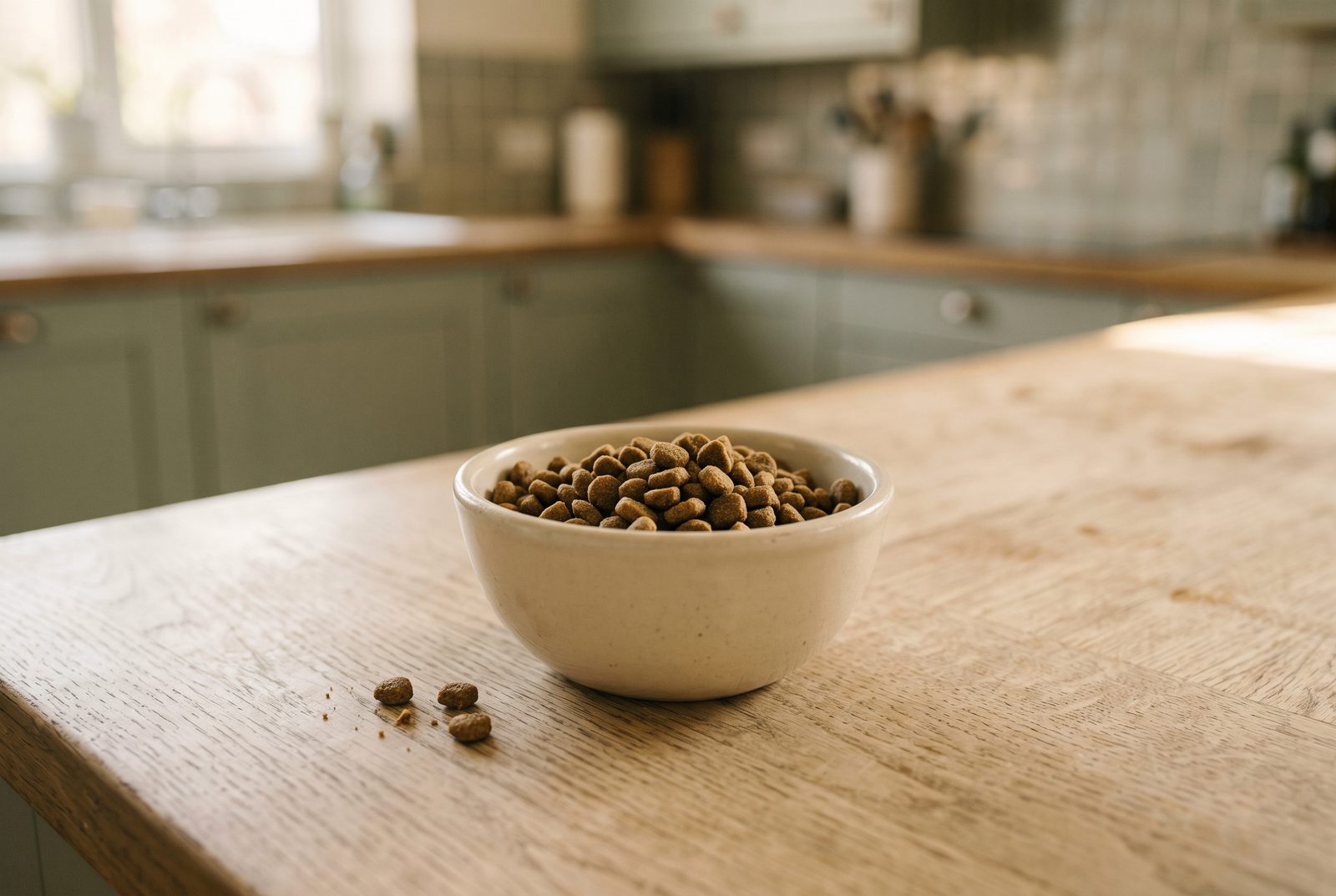
The low moisture content is the key. Microorganisms need freely available water to grow. Experts call this water activity. A piece of dry kibble contains so little available water that most microbes cannot grow.
Another problem remains: fat. Fat reacts with oxygen and goes rancid over time. That is why, according to the Pet Food Institute, dry and semi-moist foods usually contain preservatives and antioxidants. Natural options such as rosemary extract or tocopherols (a form of vitamin E) often mean a shorter shelf life for these foods.
And after opening? That is when oxidation starts in dry food. The veterinary hospital network VCA recommends buying only as much as you will use in about four to six weeks and keeping the bag tightly closed.
The US FDA advises keeping dry food in its original bag and, if needed, placing the whole bag in a container with a lid instead of pouring the kibble out. That way the batch number and date are kept as well.
Two types of food, two routes to a long shelf life: with sealed wet food, the seal and heat treatment do most of the work. With dry food, it is drying, packaging and usually antioxidants.
Why raw feeding and fresh meat need a fridge
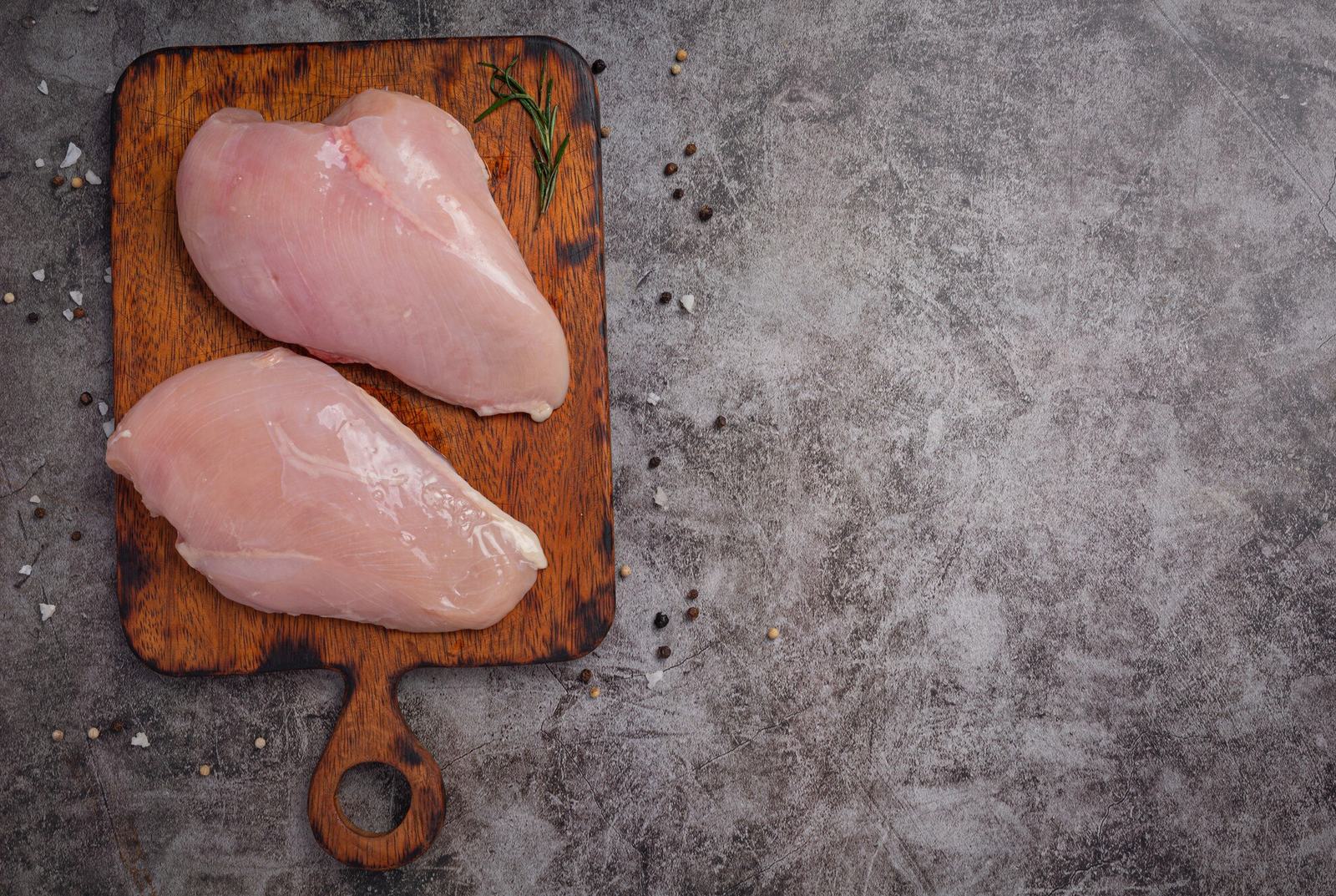
Raw meat is the exact opposite of sealed wet food. It is not heated and it is not tightly sealed. Any microbes picked up during slaughter, cutting and packing stay on it. That is why raw food has to be chilled or frozen all the way, from the producer to your fridge.
A study by the University of Zurich shows how serious this is: in more than 60 per cent of the raw dog food samples tested, bacteria were found that can produce so-called ESBL enzymes. The researchers therefore advise strict hygiene when preparing and serving raw food.
This says nothing about whether raw feeding is right or wrong for you. That question is one for your vet. For shelf life, though, there is a clear rule: the less a food is processed and protected by packaging, the shorter it stays good without refrigeration.
Does a long shelf life mean it is full of preservatives?
That brings us back to the first question: surely something must have been added? It is an understandable assumption, but it does not tell the whole story.
With sealed wet food, the main driver of shelf life is the combination of an airtight seal and heat treatment. The trade portal Global Pet Industry writes that sterilisation after sealing can be enough to stop the growth of microorganisms.
With dry and semi-moist food, which is not sterilised, low moisture, protective gas or preservatives take over this job instead.
Does that mean wet food never needs additives? No, that is not true as a blanket statement either. Many foods contain additives for very different reasons: vitamins and trace elements to make the food nutritionally complete, technological substances for texture, sometimes antioxidants.
In the EU, additives are scientifically assessed before they are authorised. A guide from a large pet food manufacturer points this out as well.
So a distant best-before date alone does not tell you what is in the food. The label does. Whatever has been added must be listed under “additives”. That is where it pays to look, not at the date.
We explain how to read a pet food label step by step in our article Animal by-products in dog food.
Best-before and use-by dates: what if the date has passed?
There are two different dates on food, and they do not mean the same thing. The German consumer organisation Verbraucherzentrale explains the difference clearly: the best-before date is the manufacturer's quality guarantee for the unopened, correctly stored product.
The use-by date appears on highly perishable foods such as minced meat or fresh fish. After this date the product should no longer be eaten.
Dog and cat food usually carries a best-before date. Our pouches, for example, say: best before 18 months from the date of manufacture, which refers to the unopened pouch.
A best-before date is not an expiry date after which the food suddenly goes bad. For food in general, the Verbraucherzentrale stresses that products are often still fine after the best-before date if the pack was sealed and stored correctly.
Our advice is to use pet food before its best-before date. Your pet cannot tell you when something tastes odd, and vitamins can decline over time.
Keeping a pouch that is well past its best-before date is not worth the saving. Important: once opened, the best-before date no longer applies anyway, because from then on oxygen, moisture and microbes come into play.
Opened wet food: how long does it keep?
Once the pouch is open, there is much less time to use the food. Recommendations vary because recipes, fridge temperatures and the way food is handled differ.
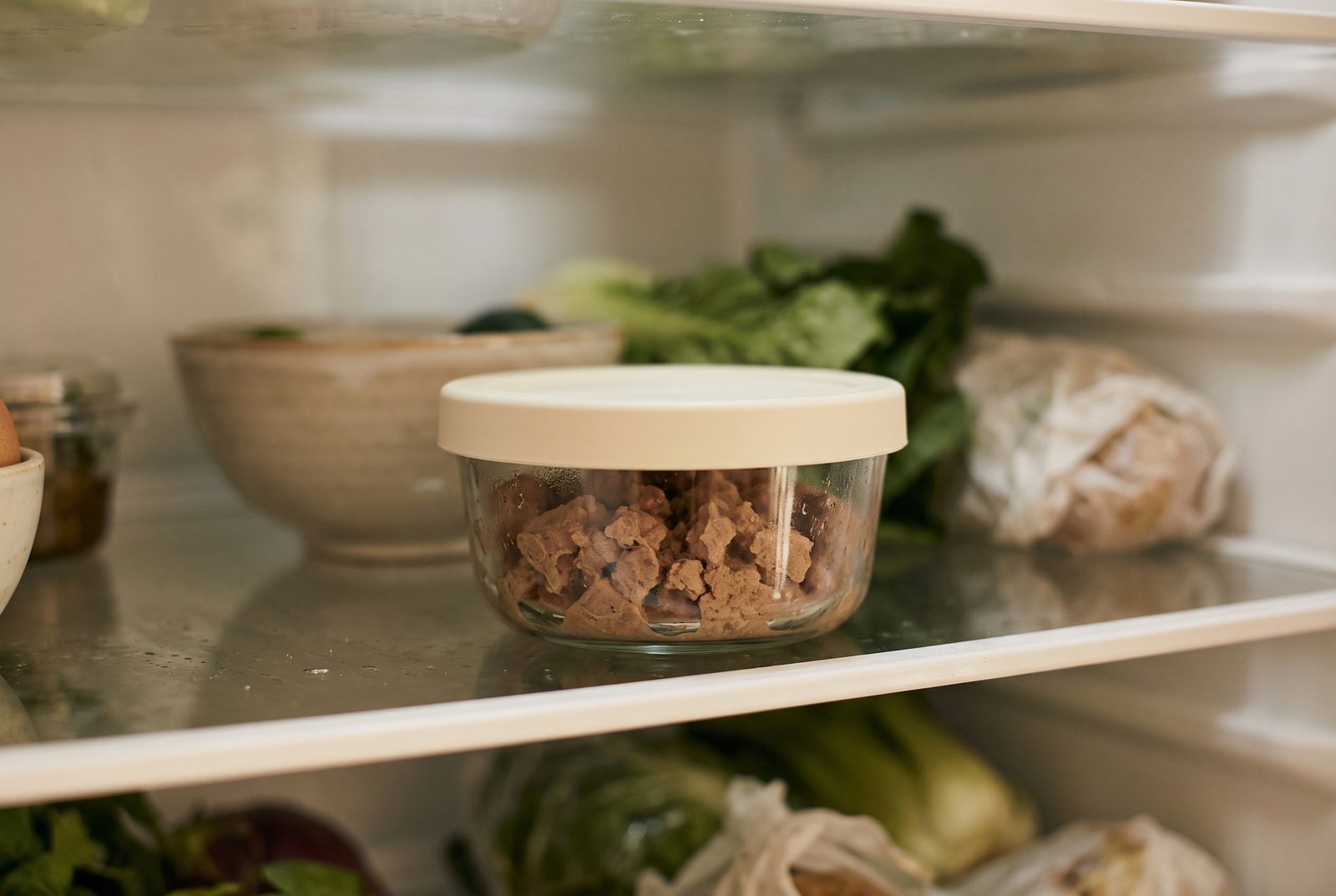
- The FDA advises refrigerating opened canned and pouched pet food promptly or throwing it away.
- One cat food manufacturer recommends keeping leftover wet food in the fridge for no more than one day.
- VCA recommends keeping leftover canned food refrigerated and discarding it after three days at the latest.
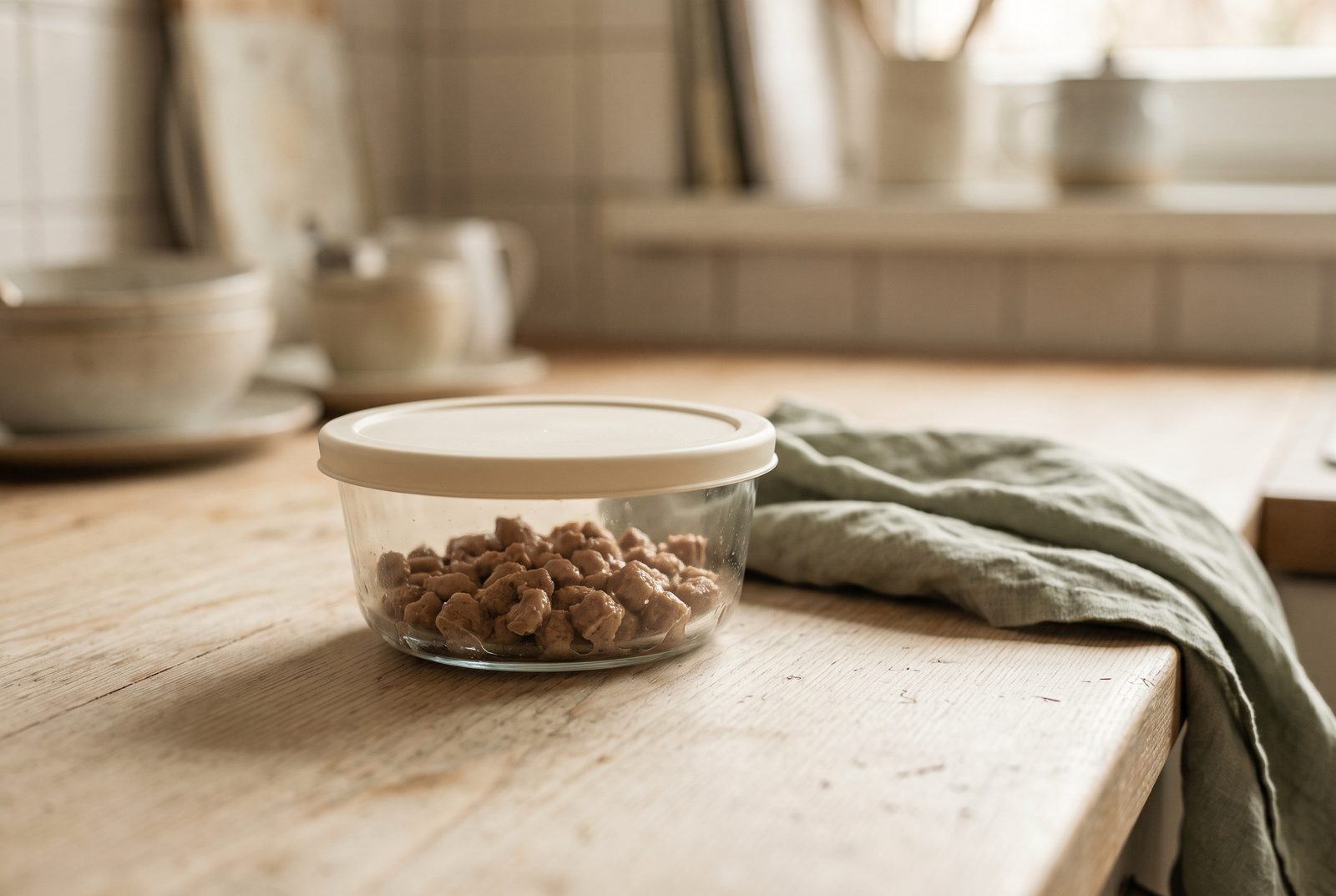
As a general rule, refrigerate leftovers in a covered container and follow the manufacturer’s instructions for storage and use after opening. A lid keeps smells in check and prevents the food from drying out.
The frequently asked questions below cover how long a portion can stay in the bowl and whether you can serve food cold from the fridge.
Check the pouch: when to throw the food away
The whole shelf life depends on an intact seal. If it is broken, the best-before date no longer applies. So it is worth taking a quick look before opening a pouch. The FDA explicitly lists swollen or leaking cans and pouches as a warning sign.
- Swollen: the pouch bulges or feels tight. Do not open it, do not feed it.
- Leaking or damp: liquid at the edge, sticky spots, a smell coming through the packaging.
- Damaged: holes, tears, worn corners or an open seal.
- Odd after opening: sharp, sour or fermented smell, mould, an unusual colour.
When in doubt, throw it out. And if your pet seems unwell after eating a food, call your vet and keep the pack with its batch number. This is exactly why the FDA recommends keeping food in its original pouch.
Stocking up: how much food should you keep?
A long shelf life can tempt you to buy a whole year's supply at once. That can make sense if you know your pet likes the food. If not, it is wiser to keep a smaller supply. Tastes change, some animals prefer a different recipe after a few months, and then the boxes sit in the basement.
- Test first, stock up later: try new recipes in small amounts before buying larger packs. That is what trial boxes with several recipes are for.
- Oldest at the front: put new packs at the back and use the ones with the earlier date first.
- Keep them in the box: the outer carton protects the pouches from light, creasing and sharp edges.
- Check once a month: a quick look at the dates and the condition of the pouches is enough.
That way you have food on hand when the shop is closed or you cannot get out to buy more, while keeping track of the dates on your supplies.
Frequently asked questions about wet food shelf life
How long can wet food sit in the bowl?
Not long. The veterinary hospital network VCA recommends removing food that has not been eaten after about 30 minutes. On warm days, sooner. Wet food should not stay in the bowl overnight. Plan smaller portions that are eaten straight away.
The FDA also advises washing and drying food bowls after every meal. A bowl with dried-on leftovers is the perfect place for exactly the microbes the pouch kept out so reliably before.
Can I serve wet food cold from the fridge?
You can, but it is often not popular. Many cats, and some dogs too, do not like food straight from the fridge. Cold food has less aroma, and cats in particular rely heavily on smell.
One cat food manufacturer therefore recommends taking the portion out in time so it reaches room temperature and the aroma can develop. You can also stand it briefly in a small bowl of warm water. Do not overheat it in the microwave, as hot spots can be unpleasant.
If your pet is being picky right now, this very point can make a difference. Read more in our articles My cat suddenly won't eat its usual food and Dog won't eat.
Where should I store unopened wet food?
Cool, dry and away from direct sunlight, so not on the windowsill, not next to the radiator and not in a hot car. The FDA recommends storing unopened food in a cool, dry place. Also make sure the pouches do not come into contact with sharp objects and are not bent sharply.
Can you preserve cat food yourself at home?
You can freeze home-cooked food in portions. Do not try to preserve meat by canning it in pouches or jars at home, though. Oregon State University warns that commercial conditions cannot be reliably reached at home and that incorrectly canned foods containing meat pose a serious risk.
If you want to cook for your pet, have the recipe checked by a vet or a pet nutrition adviser.
What should I do with expired food?
Many animal shelters and pet food banks still accept unopened packs shortly after the best-before date. Ask first, as rules vary. Damaged, swollen or already opened packs belong in the bin, not in a donation.
Can dry food go bad?
Yes. Less because of microbes and more because of oxidation, moisture and pantry pests. A rancid smell, clumps, mould or small moths are clear signs. Keep the bag closed, dry and cool, and buy amounts you will use within a few weeks.
Is food that keeps for 18 months unopened “less fresh” than raw?
These are two different concepts. Raw meat is unprocessed and therefore has to stay chilled. Heat-treated food in a sealed pouch is processed and can therefore be stored for a long time.
So a long best-before date says something about processing and packaging, not about when the ingredients were processed. When choosing a food, the ingredients, analytical constituents and whether your pet enjoys it are more useful things to consider.
And our pouch? This is how it works at Canefelis
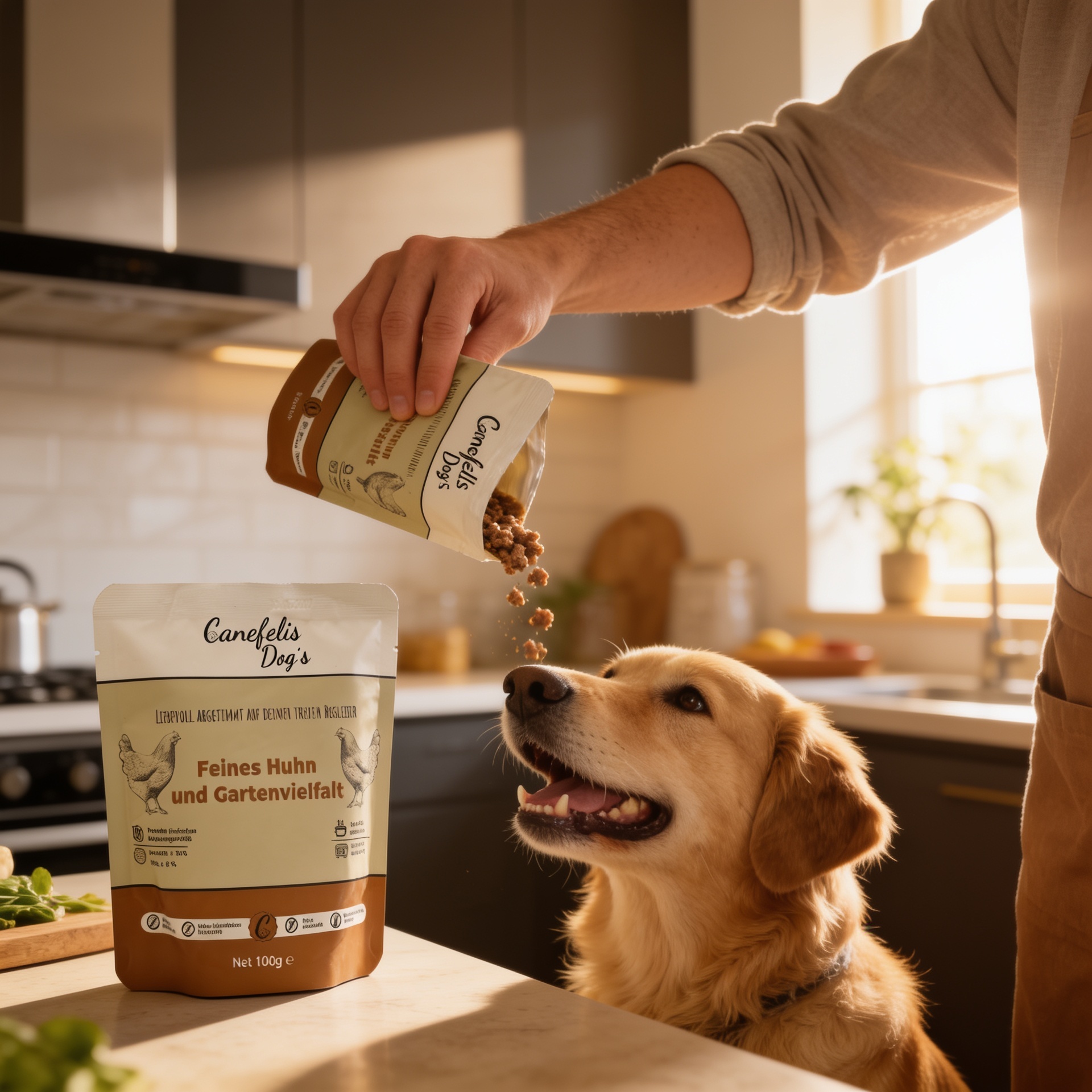
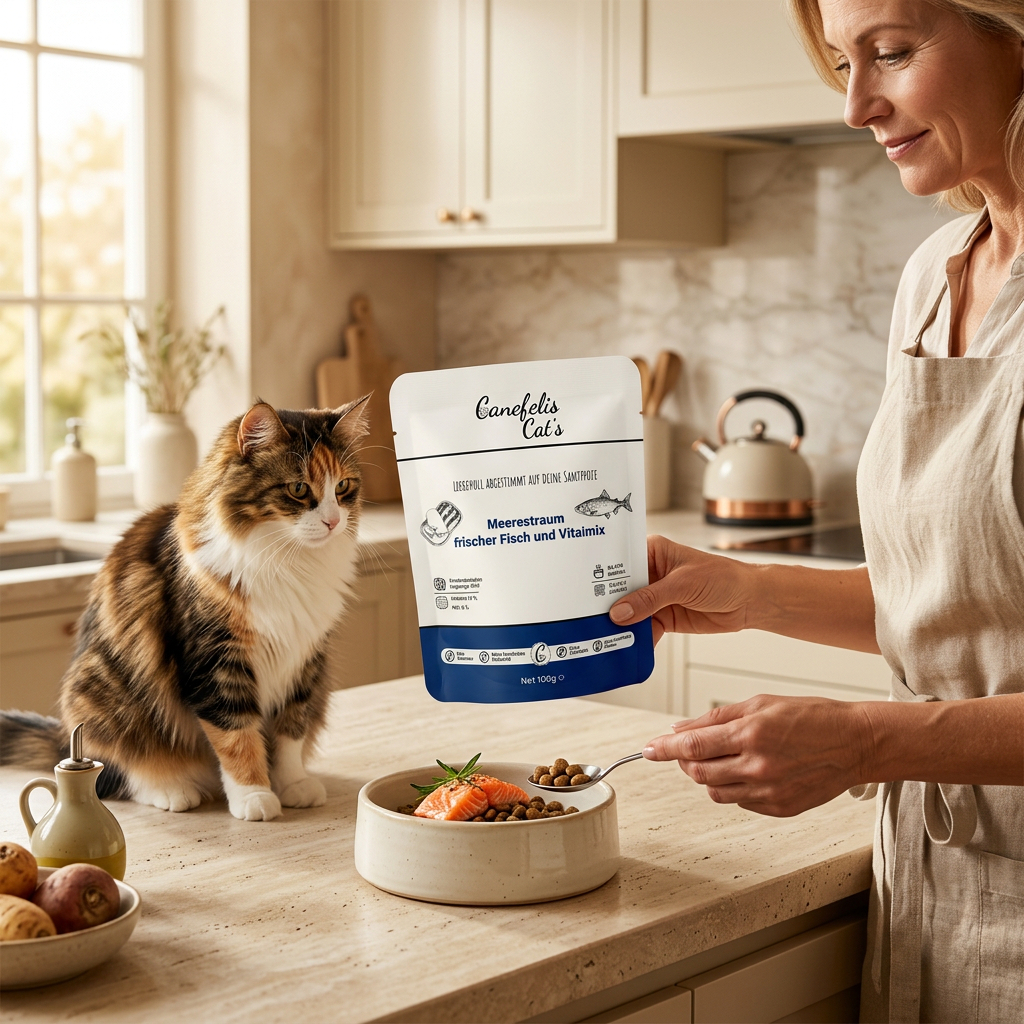
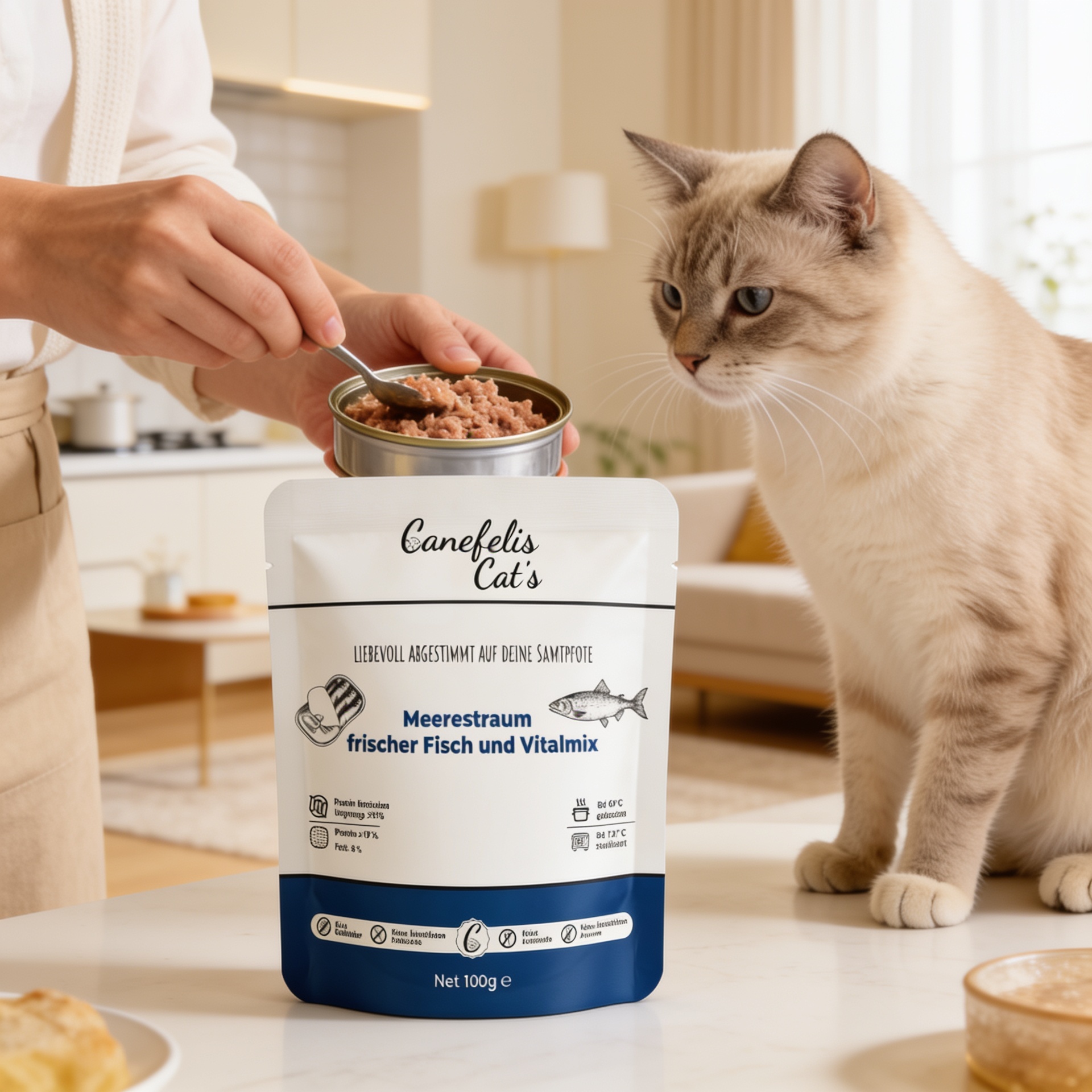
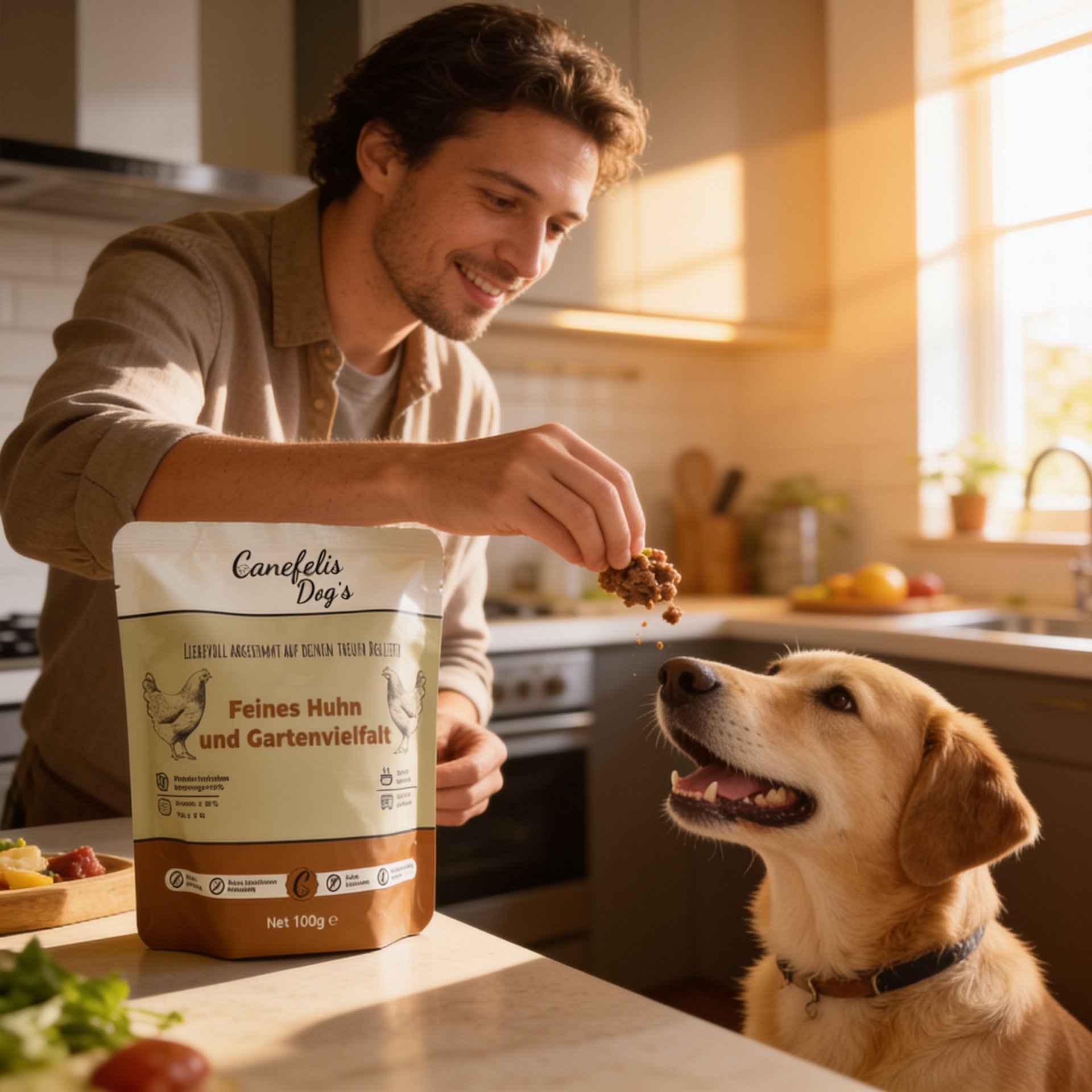
Maybe you asked yourself the question from the beginning because of one of our pouches. We pack every portion in a four-layer retort pouch made of PET, aluminium, polyamide and polypropylene. These are the four layers described above.
Every pouch says: best before 18 months from the date of manufacture. Unopened, you store it at room temperature, with no fridge at all.
Inside the pouch is gently baked soft food with a soft, moist texture. So it is neither hard kibble nor classic canned food, but sits in between. According to the analysis, the moisture is at most 65 per cent.
Each pouch contains 100 grams. That fits what you read about opened food: you only open what you need, and less food is left over in the fridge. How many pouches your pet gets per day depends on weight and needs. The feeding guide is on the pack.
The label tells you more than the date: the ingredients are listed on the pouch, with percentages. An example from the dog range: Duck and Chicken with Vegetables and Fruit contains 31 % duck breast, 29 % chicken breast, 12 % chicken liver, 8 % chicken heart and 5 % egg.
An example from the cat range: Chicken with Vegetables and Fruit contains 70 % chicken breast, 8 % chicken liver, 7 % chicken heart and 5 % egg. The additives are listed on the pack, including vitamins, trace elements, plus L-lysine in the dog range and taurine in the cat range.
For us, a long shelf life is mainly about convenience. You can keep a few recipes in stock without anything taking up room in the fridge, and simply pack a few pouches for trips or holidays.
Want to try it yourself?
If you want to see how gently baked soft food fits into everyday life and whether your pet enjoys it, the trial box is the easiest way to start: 12 pouches of 100 g, all three recipes. That way you can try the food before stocking up.
For dogs: Soft food trial box for dogs · For cats: Soft food trial box for cats
Single pouches start at € 2.49, and shipping to Austria and Germany is free on orders from €47.
P.S.: Next time you turn a pouch over in the shop and see a long shelf life again, you now know where it comes from. The ingredient and additive lists tell you what is really inside.
And how do you store wet food at home?
Do you have a pantry, a box in the basement, or do you prefer to shop weekly? And what do you do with leftover food? Tell us in the comments. We read everything, and we will collect practical tips for a separate article.
Read more